Is Tarrytown Austin a Good Place to Live?
Cody McConnell October 29, 2026
Cody McConnell October 29, 2026
Tarrytown is one of the few places in Austin where you can live on a quiet, tree-covered street with Lake Austin a few blocks west and downtown a short drive east. That combination is what you're paying for here, and it isn't cheap. Over the past year, the median detached single-family sale in the neighborhood closed at $1,857,500.
If you're seriously considering a purchase, the real questions are which part of Tarrytown fits you, what condition of house you're willing to take on, and what the lot will let you do with it. That's what this guide covers.
According to the Tarrytown Alliance, the neighborhood is generally bordered by MoPac to the east, Lake Austin to the west, West 35th Street to the north, and Lake Austin Boulevard to the south. It sits just west of downtown and the University of Texas.
It's in ZIP code 78703, but 78703 also covers several other central Austin neighborhoods. Keep that in mind when you see market numbers. A ZIP-level report and a Tarrytown-level report can tell very different stories.
The land was once Woodlawn, a 365-acre estate whose mansion dates to 1853. In 1916, Governor Elisha Pease's heirs subdivided the property and formed the Enfield Realty and Home Building Company, which opened the first Tarrytown section on November 4, 1934, and Tarrytown No. 2 in April 1935, with more numbered additions after that. The Tarrytown Shopping Center at Windsor Road and Exposition Boulevard followed in 1939. (Wikipedia, West Austin Neighborhood Group)
That phase-by-phase growth explains what you see on the ground today. Home ages and styles change from one block to the next, and an original house can sit right beside a recent custom build.
Whether you can walk to these depends entirely on the house. Some homes are an easy walk from a park or coffee. Others are in practice drive-to-everything addresses. If walking matters to you, map the route from the specific property. A neighborhood-wide walkability score won't tell you much here.
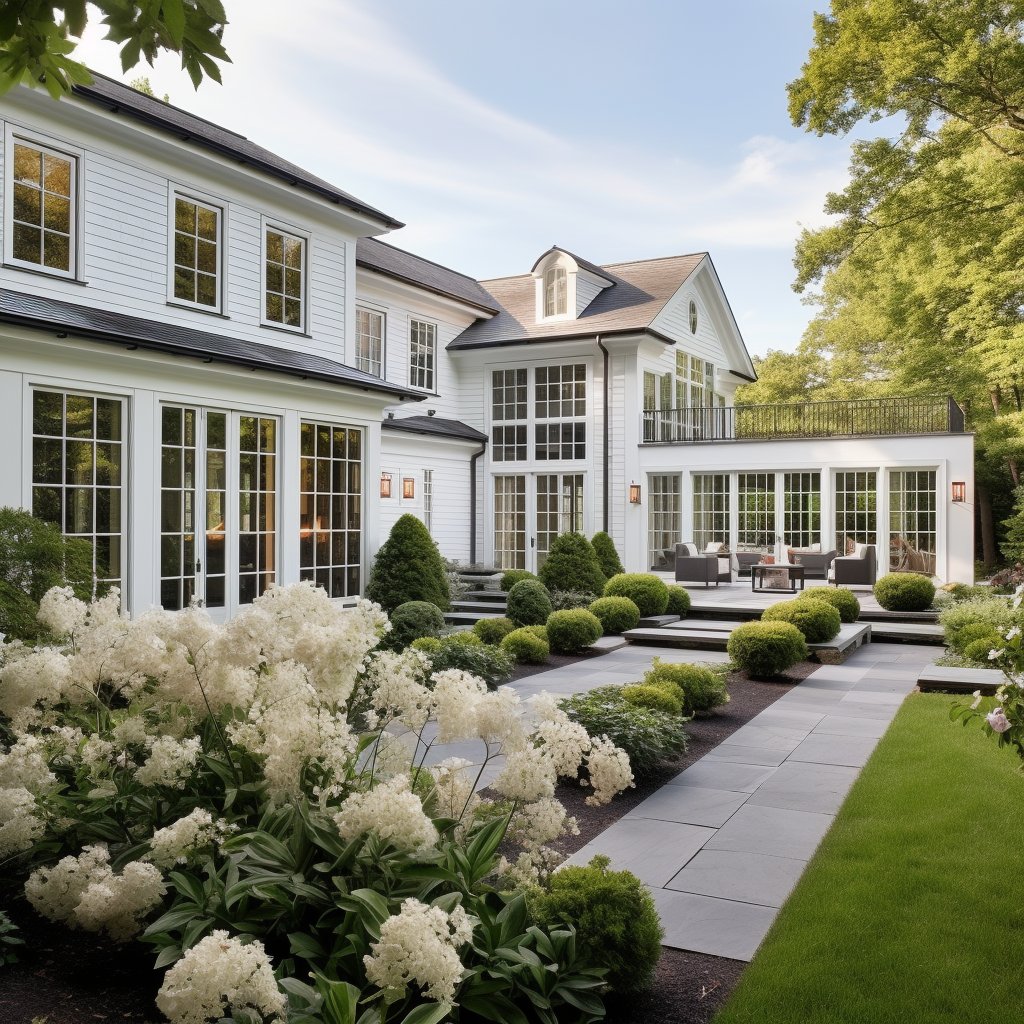
The case for Tarrytown starts with location and character. You're minutes from downtown and UT, yet much of the neighborhood feels residential and settled in a way newer developments rarely do. The mature trees and the mix of architecture, from older bungalows to extensive renovations to modern custom homes, come from almost a century of gradual building. Lake Austin, Reed Park, Laguna Gloria, and Lions are all close. And because the housing stock varies so much, you have real choices: a move-in-ready home, an older house to renovate, or a lot where new construction makes sense.
The costs are just as real. First, price. Buyers pay a substantial premium for the central location, and much of that premium is in the land. Second, the age of the housing. Older homes can need considerable updating, and renovation has a way of uncovering foundation, plumbing, or electrical problems you didn't see at the showing. Third, traffic. Homes near MoPac or the busier through streets get more noise and cut-through traffic than homes on quiet interior streets. Fourth, the rules. Protected trees, setbacks, and lot configuration can limit what you're able to add or rebuild, which I cover in detail below.
Here's my read. Tarrytown is a strong fit if you put location and established character ahead of square footage per dollar. If you want newer construction at a lower price point, or noticeably more land for your budget, other parts of the Austin area will likely serve you better.
The buyer pool here is a mix: people who want an established home, relocation buyers who want to be close to central Austin, and buyers planning to renovate or rebuild an older property. That last group often studies the lot as closely as the house, because in Tarrytown the land can carry a large share of the value.
The figures below reflect detached single-family home sales over the most recent 12-month reporting period.
Market Metric | October 26, 2025 to October 26, 2026 |
|---|---|
Closed single-family sales | 80 |
Median sale price | $1,857,500 |
Median price per square foot | Approximately $638 |
Median days on market | 40 |
Lowest recorded sale | $825,000 |
Highest recorded sale | $8,000,000 |
Source: Unlock MLS (ACTRIS). Detached single-family closed sales identified within the Tarrytown Alliance neighborhood boundary, October 26, 2025, through October 26, 2026. Data retrieved October 27, 2026. Median days on market is calculated from 77 transactions with recorded data. Sales south of Enfield Road were excluded.
These are closed sales for the stated period, not current asking prices. Searches built on ZIP codes, MLS subdivisions, or other boundaries will return different results.
A range of $825,000 to $8,000,000 inside one neighborhood tells you the median is only a reference point. Homes a few blocks apart can be priced very differently, and the gap usually comes down to:
So I wouldn't price a Tarrytown home off the neighborhood median, whether you're buying or selling. The useful comparisons are homes with similar lots, condition, and location.
My own preference is the western part of Tarrytown, farther from MoPac and closer to Lake Austin. Pecos Street, Clearview Drive, and Robinhood Trail are three streets I particularly like.
Pecos Street and the area around Mayfield Park. Pecos runs north through the neighborhood past Reed Park toward Mayfield Park, and the north-side blocks around Mayfield Park are what a lot of people picture when they think of Tarrytown: mature live oaks, established homes, and a mix of styles. The side streets off Pecos give you different trade-offs between privacy, access, and lot characteristics.
Clearview Drive and Robinhood Trail. Both are residential settings I like for buyers who want a quieter street while staying close to central Austin. Clearview branches off Pecos. Robinhood Trail is in the western half of the neighborhood.
Scenic Drive. This is one of Tarrytown's most distinctive addresses. It runs along Lake Austin and includes waterfront estates, properties with direct lake access, and homes positioned above the water with views. Waterfront frontage is limited, which is why those properties stand out. Access and views are not the same from one home to the next, so evaluate each lot on its own.
Bridle Path. A winding street with a mix of eras, from early homes like the Colonial Revival Culberson House at 2504 Bridle Path to mid-century designs. If you're drawn to traditional architecture and older Austin character, put it on your list.
On the other side of the ledger, Exposition Boulevard and Bowman Avenue are busier streets. A home there gets you quicker access to the rest of the city, and it also gets you more traffic and noise than a home a few blocks in on an interior street.
Elevation varies across Tarrytown, and some properties have views of Lake Austin or the surrounding hills. Whether a given house does depends on its elevation, orientation, and tree cover. Don't assume a view from the street name. Stand in the house and look.
My practical advice: spend time on the actual block at different times of day. Traffic patterns, the neighboring properties, and how the street feels at 8 a.m. versus a weekend afternoon all affect how you'll live in the home and how it will resell. A well-known street doesn't make a good purchase on its own.
My preference is to renovate when the existing structure and the budget justify it. An older home with a functional layout and solid construction is worth preserving, and that character is a large part of why people want to live here.
Renovation isn't automatically the better financial decision, though. Structural repairs, outdated mechanical systems, foundation problems, or a major layout change can push costs well past the estimate, and in some cases rebuilding is the more practical path. Before you commit either way, work through the following.
Get a thorough inspection, especially if you're planning significant work. Foundation performance, plumbing, electrical, roofing, and the quality of prior renovations all shape the scope and cost. A house that looks like a straightforward update can turn into a much larger project once walls are opened.
The trees that define Tarrytown can also define your building envelope. The City of Austin generally classifies trees measuring 19 inches or more in trunk diameter as protected trees. Certain species, including oaks, pecans, cedar elms, and bald cypress, receive additional heritage-tree protections beginning at 24 inches in diameter.
Removing a regulated tree, impacting its root zone, or certain construction near it may require permits or additional approvals, and heritage-tree removal faces more restrictive requirements. A single large tree can dictate where an addition, driveway, pool, or new house can go. If you're buying with redevelopment in mind, have the trees and the proposed footprint reviewed by the appropriate professionals before you close. The City's Trees on Residential Property guidance is a good starting point.
A lot that looks like it has plenty of room for an addition may not. Setbacks, zoning requirements, applicable overlays, lot shape, and existing improvements all determine the buildable area.
Major renovations, additions, and new construction may require review through the City's residential permitting process. Tree preservation, zoning compliance, and other site-specific requirements can change both the plans and the timeline. If renovating or rebuilding is the plan, bring in an architect or qualified builder who knows Austin's development requirements before you buy.
Both are established luxury markets, and they offer different ways of living. Tarrytown's edge is its central location, close to downtown, UT, and the rest of central Austin. West Lake Hills has more pronounced topography, hillside properties, and more opportunities for views, and depending on the property you may find larger lots and more separation from the city.
Neither is better across the board, and both cover a wide range of price points. Compare specific homes with similar features rather than neighborhood averages, and ask what each location actually gives you for the price.
Tarrytown is in Austin Independent School District. Many properties are assigned to Casis Elementary School, O. Henry Middle School, and Austin High School, but attendance boundaries are address-specific and can change. Verify the current assignment for any property with the Austin ISD School Finder.
No. Tarrytown is within 78703, but that ZIP code also includes other central Austin neighborhoods. A market report covering all of 78703 can produce very different numbers than one focused on Tarrytown.
Parts of it are, particularly near the parks and neighborhood businesses. Many homes still require a car for most daily errands, so check the specific property.
Potentially, but it isn't guaranteed. Demolition and replacement depend on zoning, applicable regulations, tree protections, lot configuration, and required approvals. If rebuilding is part of your plan, verify those requirements before you commit to the property.
For buyers who value central Austin access, established neighborhood character, and a mix of traditional and modern homes, yes, it deserves serious consideration. The main questions are price, the condition of the house, and whether that particular block fits how you live.
Two Tarrytown homes with similar square footage can be worth very different amounts because of the lot, condition, location, and renovation potential. Sorting that out is where I can help.
If you're buying, you can explore my Tarrytown neighborhood guide and available listings.
If you already own in Tarrytown, the neighborhood median is only a starting point for what your home is worth. Request a property-specific home valuation, and I'll give you a local market perspective on what your home could sell for based on how it compares with competing homes.
If you're still weighing your options, call or text me at 512-559-8619, or contact me here, and we'll talk through the best next step.
Cody McConnell
Realtor | Compass RE Texas, LLC
512-559-8619
Texas Real Estate Commission Information About Brokerage Services | Texas Real Estate Commission Consumer Protection Notice
Cody McConnell is a Realtor with Compass RE Texas, LLC, serving buyers and sellers throughout the Austin metropolitan area. A U.S. Marine Corps veteran, Cody brings a detail-oriented, consultative approach to real estate, helping clients evaluate property values, market conditions, and purchasing or selling strategies.
The market statistics in this article are sourced from Unlock MLS. Neighborhood information and regulatory references are supported by the linked resources.
Stay up to date on the latest real estate trends.
Work with a dedicated real estate professional who prioritizes strategy, service, and results. Cody delivers a seamless and elevated experience from start to finish. Contact Cody today to start your real estate journey!
